Forklift Safety and Load Capacity: Key Considerations for Victoria, TX Worksites
Forklift Safety and Load Capacity: Key Considerations for Victoria, TX Worksites
Forklift tip-overs and load shifts cause serious injuries and equipment damage, making load capacity and stability the most critical safety factors on any worksite. In Victoria, TX, where construction and industrial operations rely on forklifts daily, understanding weight limits and proper handling techniques protects workers and keeps projects on schedule.
How Do You Determine a Forklift's Load Capacity?
Load capacity depends on the forklift's rated capacity, load center distance, and mast height, with each factor affecting the machine's stability and safe lifting limits.
The data plate mounted on the forklift lists the maximum rated capacity, typically measured in pounds. This rating applies only when the load's center of gravity sits at the standard load center distance, usually 24 inches from the face of the forks.
Load center distance measures from the fork face to the load's center of gravity. If the load center exceeds the rated distance—such as a 36-inch load center instead of 24 inches—the effective capacity decreases because the weight shifts farther from the forklift's pivot point, increasing the risk of tipping forward.
Mast height also reduces capacity. As the forks rise, the load's center of gravity moves higher, decreasing stability. A forklift rated for 5,000 pounds at ground level may safely lift only 3,500 pounds at maximum mast extension, so always consult the load chart before attempting high lifts.
Attachments like side shifters, clamps, or extended forks add weight and change the load center, further reducing capacity. Subtract the attachment's weight from the rated capacity and adjust for the new load center to calculate the safe lifting limit.
What Causes Forklift Tip-Overs?
Tip-overs occur when the load's weight exceeds the forklift's stability triangle, when operators drive too fast on slopes, or when loads shift during transport.
The stability triangle forms between the two front wheels and the pivot point of the rear axle. As long as the combined center of gravity of the forklift and load stays within this triangle, the machine remains stable. Lifting a load that is too heavy or too far forward shifts the center of gravity outside the triangle, causing the forklift to tip.
Driving on slopes increases tip-over risk. When ascending a ramp, always drive forward with the load uphill to keep weight over the front wheels. When descending, drive in reverse with the load downhill to prevent the load from pushing the forklift forward and tipping it.
Sharp turns at high speed throw the load sideways, shifting the center of gravity outside the stability triangle. Slow down before turning, especially when carrying heavy or tall loads, and avoid sudden steering inputs that destabilize the machine.
Uneven ground or potholes tilt the forklift, reducing stability. Inspect travel paths for obstacles, soft spots, or debris, and fill potholes or lay mats over soft soil to create a stable surface before operating the forklift.
Which Pre-Operation Checks Prevent Accidents?
Daily inspections of tires, brakes, hydraulics, and safety devices catch problems before they cause injuries or equipment failures.
Check tire pressure and tread depth. Underinflated or worn tires reduce traction and increase the risk of sliding or tipping, especially on wet or oily surfaces. Replace tires that show cords or have less than 1/8 inch of tread remaining.
Test the brakes by driving forward at low speed and applying the brake pedal. The forklift should stop smoothly without pulling to one side. If the brakes feel spongy or the machine drifts, have the system inspected before operating the forklift under load.
Inspect the mast and hydraulic cylinders for leaks, cracks, or bent components. Hydraulic failures can cause the mast to drop suddenly, crushing the load or injuring workers below. Wipe down cylinders and hoses to spot new leaks during the next inspection.
Verify that the overhead guard, seat belt, and backup alarm function correctly. The overhead guard protects the operator from falling objects, the seat belt keeps the operator in the protective zone during a tip-over, and the backup alarm warns pedestrians of the forklift's movement.
How Should Operators Handle Loads Safely?
Proper load handling techniques prevent shifts, drops, and tip-overs by keeping the load stable and the forklift balanced throughout the lift and transport.
Position the forks as wide as possible to distribute the load evenly. Narrow fork spacing concentrates weight on a smaller area, increasing the risk of the load tipping sideways or sliding off the forks.
Tilt the mast back slightly after lifting to secure the load against the backrest. This angle shifts the load's center of gravity toward the forklift, improving stability during transport. Never tilt forward while carrying a load, as this increases the risk of the load sliding off.
Keep the load low during transport. Raising the forks higher than necessary elevates the center of gravity and reduces stability, especially when turning or driving on uneven ground. Travel with the forks 4 to 6 inches above the surface to clear obstacles without compromising balance.
Drive slowly and avoid sudden stops. Abrupt braking causes the load to shift forward, potentially tipping the forklift or dislodging the load. Anticipate stops and apply the brakes gradually to maintain control.
Can You Modify a Forklift to Increase Capacity?
Modifying a forklift to lift heavier loads or extend its reach is unsafe and illegal, as it voids the manufacturer's rating and increases the risk of catastrophic failure.
Adding counterweights or altering the frame changes the forklift's balance and stress distribution, potentially causing structural failure or tip-overs. Manufacturers engineer forklifts to specific tolerances, and any modification compromises these safety margins.
Installing longer forks or non-approved attachments shifts the load center and reduces capacity. Even if the forklift appears to handle the load, the added stress accelerates wear on the mast, hydraulics, and frame, leading to premature failure.
If your project requires lifting heavier loads or reaching greater heights, rent a forklift with the appropriate capacity and specifications. Rental providers in Victoria, TX offer a range of models, from compact units for tight spaces to high-capacity telehandlers for heavy industrial work.
Using the correct equipment eliminates the temptation to overload or modify machines, protecting workers and ensuring compliance with safety regulations.
What Training Do Operators Need?
Forklift operators must complete formal training that covers load capacity, stability, and safe operating procedures before using the equipment on a job site.
Classroom instruction teaches operators to read load charts, calculate load centers, and understand the stability triangle. This knowledge allows operators to assess whether a lift is safe before attempting it, reducing the risk of tip-overs and load drops.
Hands-on training develops the skills needed to maneuver the forklift, position loads accurately, and respond to hazards. Operators practice driving on slopes, navigating tight spaces, and stacking loads under the supervision of a qualified instructor.
Refresher training is required every three years or whenever an operator is involved in an accident or near-miss. Refresher courses reinforce safe practices and introduce operators to new equipment or attachments they may encounter on different job sites.
Site-specific training familiarizes operators with the unique hazards of each worksite, such as overhead power lines, pedestrian traffic, or uneven ground. Supervisors should conduct a site walkthrough with operators before they begin work, identifying hazards and establishing safe travel routes.
How Do Victoria's Industrial and Construction Sites Affect Forklift Use?
Victoria's mix of oil field operations, commercial construction, and warehouse facilities presents varied terrain, load types, and environmental conditions that influence forklift selection and operation.
Oil field sites often feature unpaved surfaces, mud, and uneven ground. Rough-terrain forklifts with larger tires and higher ground clearance maintain stability on soft or sloped surfaces, while standard warehouse forklifts struggle and risk getting stuck or tipping.
Construction sites with limited space require compact forklifts or telehandlers that can navigate narrow aisles and tight corners. These machines offer shorter wheelbases and tighter turning radii, allowing operators to position loads precisely without excessive maneuvering.
Warehouse and industrial facilities with smooth concrete floors suit electric forklifts, which operate quietly and produce no emissions. These models work well indoors, where diesel or propane forklifts would create ventilation and air quality issues.
Outdoor sites exposed to Victoria's summer heat require operators to monitor hydraulic fluid temperatures and take breaks to prevent heat-related illness. Shade structures or canopies over the operator compartment reduce direct sun exposure and improve comfort during long shifts.
Understanding forklift load capacity and stability principles prevents accidents, protects workers, and ensures your project progresses without costly delays or injuries. Proper training, daily inspections, and adherence to rated capacities form the foundation of safe forklift operation.
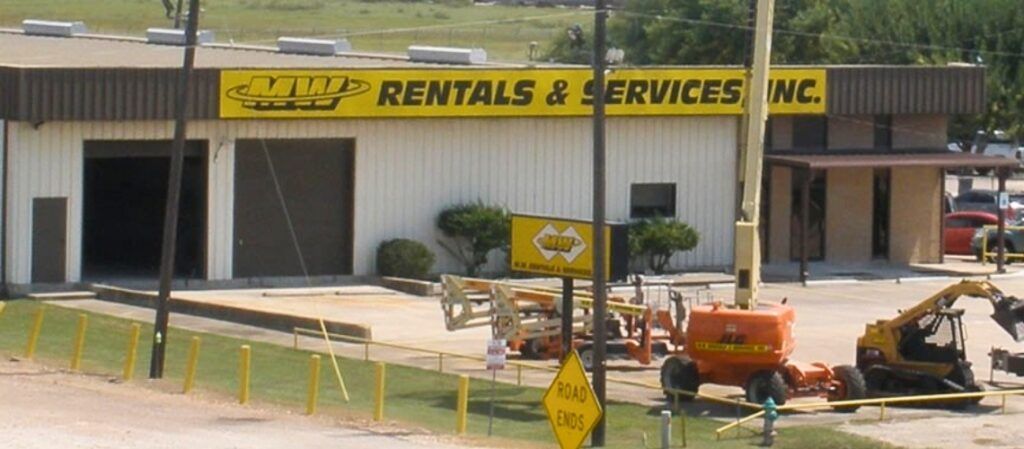
MW Rentals provides high-quality forklifts and telehandlers for construction and industrial needs with delivery and pick-up services in Victoria, TX. Experience reliable equipment and forklift rental solutions in Victoria, TX that meet your project's exact requirements.